
Arterial bleeding is a serious emergency that requires immediate attention. Blood from an artery is usually bright red and may spurt quickly with each heartbeat. Acting fast and staying focused can greatly improve the outcome while waiting for professional arterial bleeding medical support. Understanding a few simple first aid steps can help reduce blood loss and protect the injured person from further complications.
Recognize the Warning Signs
Identifying arterial bleeding quickly is the first priority. Common signs include:
- Rapid blood flow from a deep wound
- Bright red blood that pulses outward
- Weakness or dizziness in the injured person
- Pale or cool skin
- Fast breathing or confusion
Early recognition allows faster action and helps prevent excessive blood loss.
Stay Calm and Ensure Safety
Before helping, make sure the surrounding area is safe.
- Move away from dangerous objects or traffic
- Keep the injured person as still as possible
- Speak calmly and provide reassurance
- Avoid panic or sudden movements
A calm response can help both the helper and the injured person stay focused.
Apply Direct Pressure Immediately
Direct pressure is one of the most effective ways to slow arterial bleeding.
- Use a clean cloth, dressing, or fabric
- Press firmly over the wound using both hands if necessary
- Maintain steady pressure without lifting the material
- Add extra layers if blood soaks through
Consistent pressure supports clot formation and helps reduce blood loss.
Elevate the Injured Area When Possible
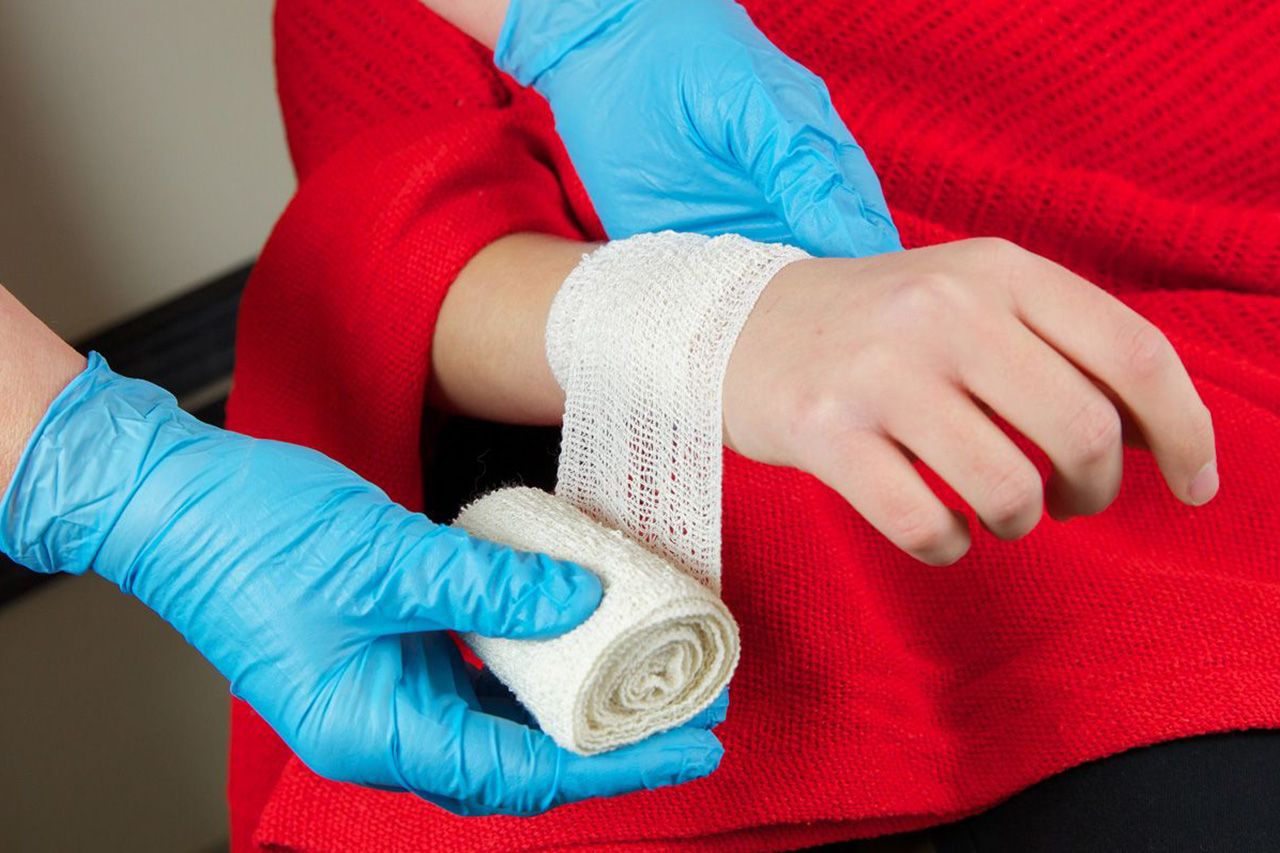
If the injury involves an arm or leg and there is no suspected fracture:
- Raise the injured limb above heart level
- Continue applying pressure at the same time
- Keep the limb stable and supported
Elevation may help reduce the speed of bleeding in certain situations.
Use A Tourniquet Only When Necessary
Severe limb bleeding that does not stop with direct pressure may require a tourniquet.
- Place it several inches above the wound
- Tighten until the bleeding slows significantly
- Avoid placing it directly over a joint
- Note the time it was applied if possible
A properly applied tourniquet can be life-saving during critical blood loss situations.
Watch For Signs of Shock
Heavy bleeding may lead to shock, which requires immediate care.
Signs may include:
- Rapid heartbeat
- Cold or clammy skin
- Extreme weakness
- Fainting or confusion
To help reduce shock:
- Lay the person flat if safe
- Keep them warm with a blanket or clothing
- Avoid giving food or drinks
- Continue monitoring breathing and awareness
Keep the Wound Protected
After controlling the bleeding:
- Secure the dressing carefully
- Avoid removing blood-soaked materials
- Prevent unnecessary movement
- Continue checking for ongoing bleeding
Protecting the wound reduces the chance of further injury.
Stay With the Injured Person
Emotional support is also important during emergencies.
- Offer calm reassurance
- Encourage slow breathing
- Monitor their condition continuously
- Be prepared to provide updated information to emergency responders
Remaining present and attentive can make the injured person feel safer and more stable.
Quick action during an arterial bleeding incident can make a major difference. Recognizing the injury, applying direct pressure, monitoring for shock, and staying calm are all essential first aid measures. Learning these immediate response techniques helps improve confidence and prepares individuals to react effectively during serious emergencies.