
Professional fire safety monitoring helps workplaces maintain organized operations while supporting established safety requirements. Consistent observation, clear reporting, and timely communication make it easier to identify potential hazards and respond with confidence. A structured monitoring approach also encourages employees to take shared responsibility for protecting people and property.
Strengthening Everyday Compliance
Workplace compliance depends on practical routines that are understood and followed. Professional fire safety monitoring supports these routines by keeping important precautions visible and helping teams maintain reliable records.
Key responsibilities may include:
- Conducting scheduled patrols across designated work areas.
- Checking access to fire exits and evacuation routes.
- Observing hot work and other higher-risk activities.
- Noting blocked extinguishers, alarms, or safety equipment.
- Identifying unusual heat, smoke, sparks, or burning odors.
- Recording inspection times, observations, and corrective actions.
- Communicating concerns promptly to the responsible supervisor.
These checks help create a dependable picture of workplace conditions. Accurate records can also support internal reviews, safety assessments, and preparation for formal inspections.
Building a Proactive Safety Culture
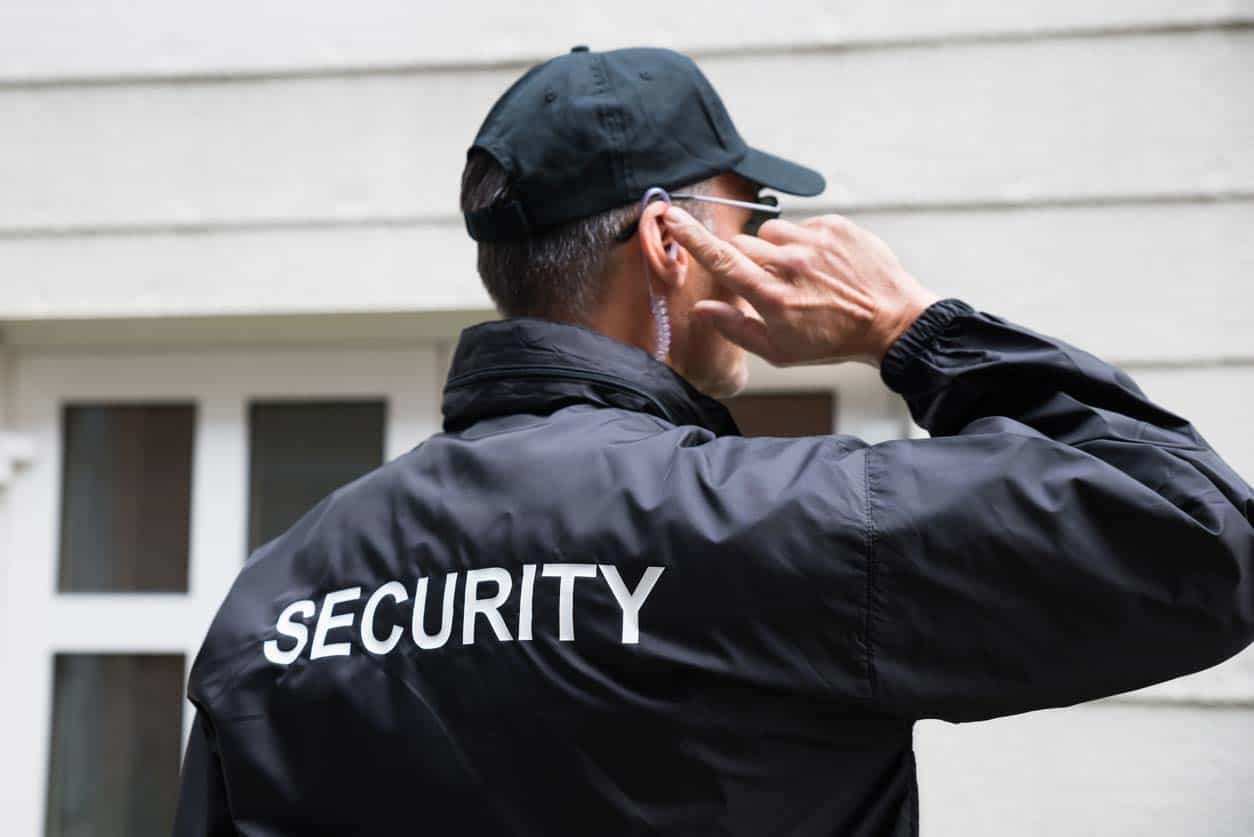
Monitoring is most effective when it works alongside employee awareness and clear procedures. Trained personnel can reinforce site-specific instructions, encourage safe practices, and help workers understand how to report concerns. Their presence adds an extra layer of attention during maintenance, equipment repairs, temporary system interruptions, and other activities that require additional care.
When evaluating support options, managers may research fire watch companies near me to understand available professional coverage and choose services that match their operational needs. A suitable provider should explain patrol procedures, reporting methods, staff training, and communication arrangements.
Supporting Effective Emergency Readiness
Preparedness improves when employees know what to do and monitoring personnel understand their responsibilities. Regular observation helps keep emergency routes accessible and makes it easier to identify developing concerns before they become more serious.
Useful readiness practices include:
- Reviewing emergency contact procedures with relevant staff.
- Confirming that exits remain clearly marked and unobstructed.
- Keeping access to firefighting equipment available.
- Following approved procedures during hot work.
- Reporting hazards without unnecessary delay.
- Maintaining clear shift handovers and activity logs.
- Participating in scheduled drills and safety briefings.
These actions strengthen coordination and help employees respond in an orderly manner. Monitoring personnel should follow established emergency plans, notify the appropriate responders, and never attempt tasks beyond their training or authority.
Maintaining Consistent Oversight
A reliable monitoring program benefits from clear expectations and regular evaluation. Managers can review patrol records, discuss recurring observations, and update procedures when workplace activities change. Open communication between supervisors, employees, and monitoring personnel helps ensure that concerns receive attention. Professional fire safety monitoring is a practical part of a broader workplace safety strategy. By combining trained observation, dependable documentation, employee awareness, and established emergency procedures, workplaces can support compliance while encouraging confidence and continuity. Consistent attention to prevention helps create an environment where people can focus on their responsibilities with peace of mind.