
Advanced Sampling Methods Improve Property Contamination Evaluation Processes
Understanding environmental conditions is an important part of responsible property ownership, development, and management. Accurate sample collection provides valuable information about soil, groundwater, surface materials, and other environmental features. By using advanced sampling methods, professionals can obtain representative samples and develop a clearer understanding of property conditions. These improved approaches support reliable evaluations, informed planning, and greater confidence in environmental decision-making.
Improving Accuracy Through Modern Sampling Techniques
Effective environmental evaluations begin with collecting suitable samples from relevant areas. Modern sampling techniques help professionals gather representative materials while maintaining consistency and minimizing unnecessary disturbances. This creates a stronger foundation for meaningful laboratory examinations and dependable assessment results.
Important advantages include:
- Collecting representative samples from selected property areas.
- Improving consistency during environmental investigations.
- Supporting accurate identification of environmental conditions.
- Reducing unnecessary sampling disturbances.
- Providing dependable information for further evaluations.
Supporting Comprehensive Contamination Assessments
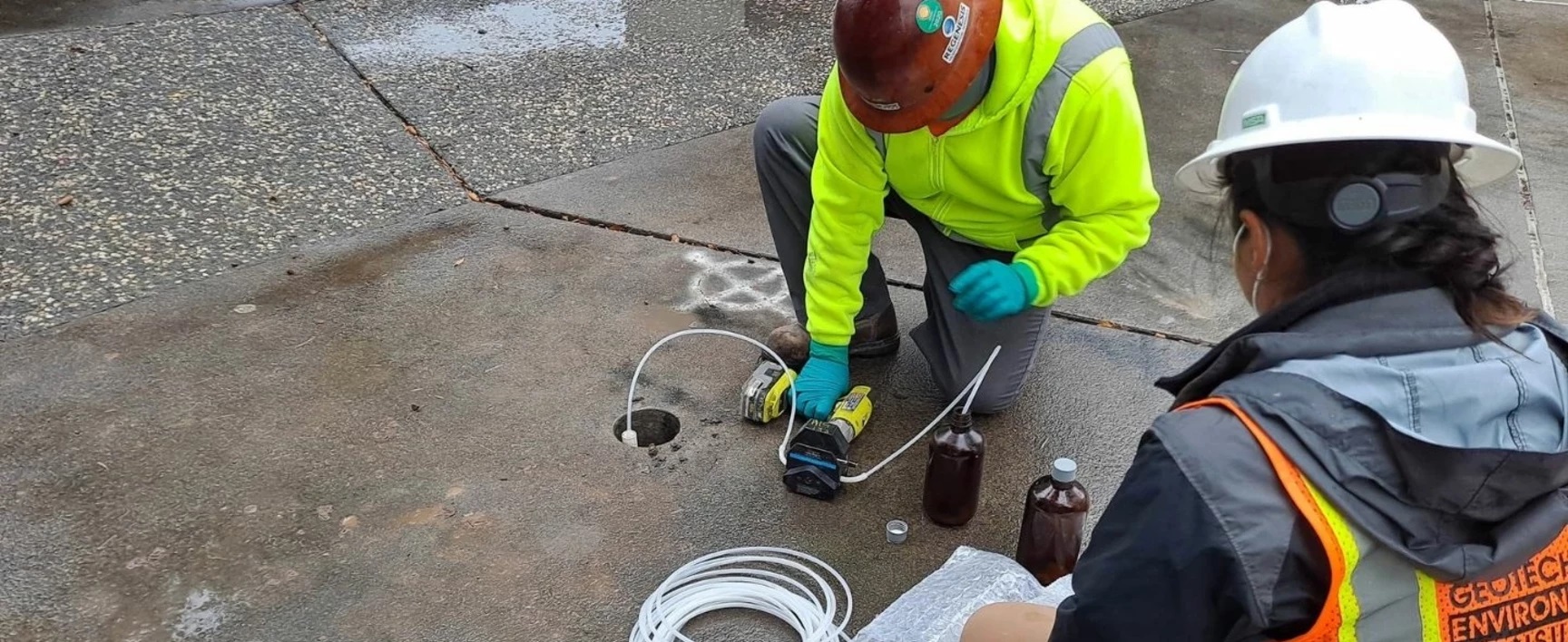
A detailed property evaluation requires attention to different environmental components. Sampling procedures help professionals examine soil, groundwater, sediment, and other relevant materials. Careful collection practices provide useful information about existing conditions and support a more complete understanding of environmental characteristics. Through advanced sampling methods, environmental specialists can obtain valuable data that strengthens contamination evaluations and supports responsible property management.
Enhancing Soil And Groundwater Investigations
Soil and groundwater assessments provide essential information about environmental quality. Appropriate sampling equipment and carefully selected collection locations help professionals examine different subsurface conditions. These findings contribute to better planning and encourage well-informed decisions throughout property development.
Key considerations include:
- Examining soil characteristics at appropriate depths.
- Collecting groundwater samples for detailed laboratory testing.
- Evaluating environmental variations across property areas.
- Maintaining proper sample preservation and handling.
- Supporting consistent documentation throughout investigations.
Encouraging Efficient Property Development Planning
Reliable sampling information helps property owners and development professionals understand environmental conditions before making important project decisions. Clear assessment findings support effective resource allocation, thoughtful planning, and suitable environmental management strategies. When environmental information is collected systematically, project teams can communicate findings more clearly and coordinate their activities with greater confidence. Interested readers can learn more about sampling approaches that support dependable property evaluations and informed environmental planning.
Strengthening Quality Control And Reporting
Quality control plays an important role in producing meaningful environmental assessment results. Proper collection procedures, accurate labeling, suitable containers, and careful transportation help preserve sample integrity. Consistent documentation also makes laboratory findings easier to review and interpret.
Several practices contribute to dependable sampling outcomes:
- Following appropriate sample collection procedures.
- Maintaining accurate sample identification records.
- Preventing cross-contamination during collection and handling.
- Preserving samples under suitable conditions.
- Supporting clear and organized analytical reporting.
Promoting Responsible Environmental Management
Thorough contamination evaluations contribute to better property management and sustainable development. Accurate sampling information allows professionals to understand environmental characteristics, identify suitable management priorities, and support appropriate improvement measures. This encourages responsible use of land and strengthens long-term project confidence. Ultimately, advanced sampling methods improve property contamination evaluation processes by delivering representative samples, dependable information, and valuable scientific insights. Combining careful field practices with professional laboratory testing creates a strong foundation for informed decisions, effective planning, and healthier environmental conditions. These approaches support positive property outcomes while encouraging responsible environmental stewardship.