
Day: August 21, 2024

Exploring the Benefits of High-Performance Mineral Processing Machinery

High-performance mineral processing machinery is crucial for optimizing the extraction and processing of valuable minerals, offering a range of benefits that significantly enhance operational efficiency and profitability. These advanced machines are designed to handle various tasks in the mineral processing chain, from ore extraction to final product refinement, and their benefits extend across several dimensions. Firstly, high-performance machinery significantly boosts processing efficiency. Advanced equipment such as high-pressure grinding rolls HPGRs, modern flotation cells, and advanced gravity separators are engineered to maximize throughput and reduce energy consumption. This efficiency is not just about processing more material but also about doing so with minimal waste. By improving the recovery rates of valuable minerals and reducing the amount of waste generated, these machines contribute to more sustainable and cost-effective operations. In addition to efficiency, the precision and accuracy of high-performance machinery are pivotal.
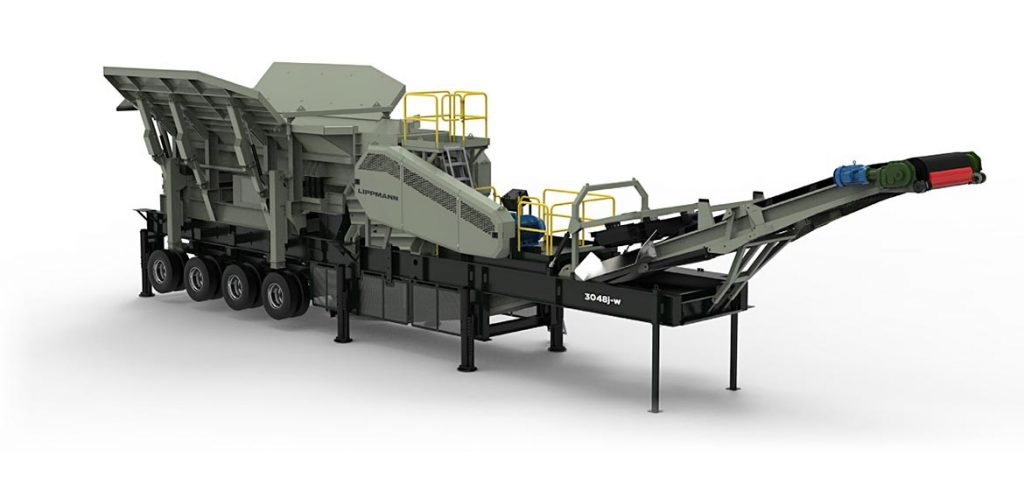
Technologies like automated control systems and real-time monitoring tools ensure that processing parameters are consistently optimized. This precision reduces the likelihood of human error and allows for finer control over the separation and extraction processes. As a result, the quality of the final product is improved, and the yield of valuable minerals is maximized, which can lead to significant economic benefits. Another key advantage is the enhanced reliability and durability of modern processing equipment. High-performance machinery is built with advanced materials and engineering techniques that ensure longer service life and reduced downtime. This reliability translates into more consistent production schedules and lower maintenance costs, types of jaw crusher further enhancing the overall efficiency of mineral processing operations. When machinery operates with fewer breakdowns and interruptions, companies can achieve higher throughput and better meet production targets. Environmental benefits also play a crucial role in the adoption of high-performance machinery. Advanced technologies often incorporate features that minimize environmental impact, such as improved dust suppression systems and efficient water recycling processes.

These features help reduce the ecological footprint of mining and processing activities, aligning operations with regulatory requirements and promoting a more sustainable approach to mineral extraction. Moreover, the integration of automation and digital technologies in high-performance machinery provides significant advantages in terms of data collection and analysis. Real-time data acquisition allows operators to monitor and adjust processing conditions dynamically, leading to improved decision-making and operational control. This data-driven approach helps in identifying and addressing potential issues before they escalate, further enhancing the efficiency and effectiveness of mineral processing operations and important link www.minejxsc.com. The benefits of high-performance mineral processing machinery are extensive and multifaceted. By increasing processing efficiency, ensuring precision and reliability, supporting environmental sustainability, and leveraging digital technologies, these advanced machines play a crucial role in modernizing the mineral processing industry. The result is not only improved economic outcomes for mining companies but also a step towards more responsible and sustainable resource extraction practices.

Why Dental Implants Are Becoming the Preferred Choice for Tooth Replacement

Dental implants have emerged as the preferred choice for tooth replacement in recent years, and this trend is not without reason. Unlike traditional dentures or bridges, dental implants offer a permanent, durable solution that closely mimics the look, feel, and function of natural teeth. This revolutionary option has transformed the landscape of restorative dentistry, offering patients a solution that addresses both aesthetic concerns and long-term oral health. One of the primary reasons dental implants are becoming the go-to choice is their unparalleled stability and longevity. Unlike dentures, which can slip or require regular adjustments, implants are anchored directly into the jawbone. This anchorage not only provides a stable base for the replacement tooth but also stimulates the jawbone, preventing the bone loss that typically accompanies missing teeth. Over time, this bone loss can alter the shape of the face, leading to a sunken appearance. By preserving the jawbone, dental implants help maintain facial structure, contributing to a more youthful appearance.

Dental Implants

Another key factor driving the popularity of dental implants is their natural look and feel. Because the implant is embedded in the jawbone, it functions like a natural tooth root, providing a secure foundation for the prosthetic tooth. This secure foundation allows patients to bite, chew, and speak with confidence, without the worry of the prosthetic shifting or causing discomfort. Furthermore, the crown attached to the implant is custom-made to match the color, shape, and size of the surrounding teeth, making the implant virtually indistinguishable from natural teeth. This aesthetic advantage is a significant draw for patients seeking a seamless, natural-looking smile. The convenience and ease of maintenance associated with dental implants also contribute to their rising popularity. Unlike dentures, which require special cleaning solutions and routines, implants can be cared for with regular brushing and flossing, just like natural teeth. This ease of maintenance, combined with the fact that implants do not require the reduction of adjacent teeth as bridges do, makes them a highly attractive option for individuals looking for a low-maintenance, long-lasting solution.

Additionally, dental implants eliminate the need for messy adhesives or the embarrassment of removing dentures at night, providing a more comfortable and discreet option for tooth replacement. The success rate of dental implants further underscores their appeal. With proper care, implants can last a lifetime, boasting a success rate of up to 98%. This high success rate is due in part to advances in implant technology and materials, which have made the procedure more predictable and accessible to a broader range of patients. Whether replacing a single tooth or supporting a full arch of teeth, implants offer a reliable, long-term solution that has become increasingly favored by both patients and dental professionals. In conclusion, the Invisalign cost growing preference for dental implants over traditional tooth replacement options is driven by their superior stability, natural appearance, ease of maintenance, and long-term success. As more people seek durable, aesthetically pleasing solutions for missing teeth, dental implants are likely to remain the preferred choice, offering a modern, effective solution that enhances both oral health and overall quality of life.

Robotics in Fabrication Design – Enhancing Precision and Reducing Costs

Robotics in fabrication design has revolutionized the manufacturing industry by enhancing precision and significantly reducing costs. This transformation is largely driven by the advanced capabilities of modern robots, which integrate seamlessly into fabrication processes to deliver unparalleled accuracy and efficiency. Traditional fabrication methods, often reliant on manual labor and mechanical systems, can be prone to human error and inconsistencies. In contrast, robotic systems offer a level of precision that is difficult to achieve through conventional means. These robots are equipped with sophisticated sensors, actuators, and control systems that enable them to perform tasks with a high degree of accuracy. For example, in the automotive industry, robots can weld components with precise alignment, ensuring that each weld is consistent and strong. This precision is not only critical for the structural integrity of the final product but also for meeting stringent industry standards and regulations. Furthermore, the use of robotics in fabrication design helps in reducing operational costs. Robots can operate around the clock without the need for breaks, shifts, or downtime, which significantly increases productivity.

This continuous operation translates to higher output and reduced production times, ultimately leading to cost savings. Additionally, robots reduce the need for manual labor, which can be expensive and subject to variability in skill levels and performance. By automating repetitive and labor-intensive tasks, companies can minimize labor costs and redirect human resources to more complex and value-added activities. The integration of robotics into fabrication also contributes to material efficiency and waste reduction. Robots are capable of executing precise cuts, welds, and placements with minimal material wastage. For instance, in the construction industry, robotic systems can accurately cut building materials to exact specifications, reducing off-cuts and scrap. This not only conserves resources but also lowers the costs associated with material procurement and disposal. Moreover, robotics facilitate greater flexibility in design and customization. Advanced robotic systems can be programmed to handle a variety of tasks and adapt to different fabrication requirements. This versatility allows manufacturers to experiment with innovative designs and customize products to meet specific customer needs without incurring significant additional costs.

For example, in the aerospace sector, robots can be used to fabricate complex geometries and lightweight components that would be challenging or costly to produce using traditional methods. The benefits of robotics in fabrication design extend beyond cost savings and precision. They also enhance safety in the workplace. Robots can perform hazardous tasks, such as handling heavy materials or working with toxic substances, thereby reducing the risk of injury to human workers. This improved safety contributes to a more sustainable and responsible manufacturing environment. In summary, the integration of robotics into fabrication design represents a significant advancement in manufacturing technology. By enhancing precision, reducing costs, improving material efficiency, and providing greater design flexibility, robots are transforming the industry and Visit Link Here for more details. Their ability to operate continuously and perform tasks with high accuracy makes them invaluable assets in modern fabrication processes, paving the way for more efficient, cost-effective, and innovative manufacturing solutions.